Nigeria’s Persecuted Church: A Crisis the World Can No Longer Ignore
Across Nigeria, a complex and deeply troubling reality is unfolding—one marked by violence, displacement, and growing insecurity for Christian communities in several regions of the country.
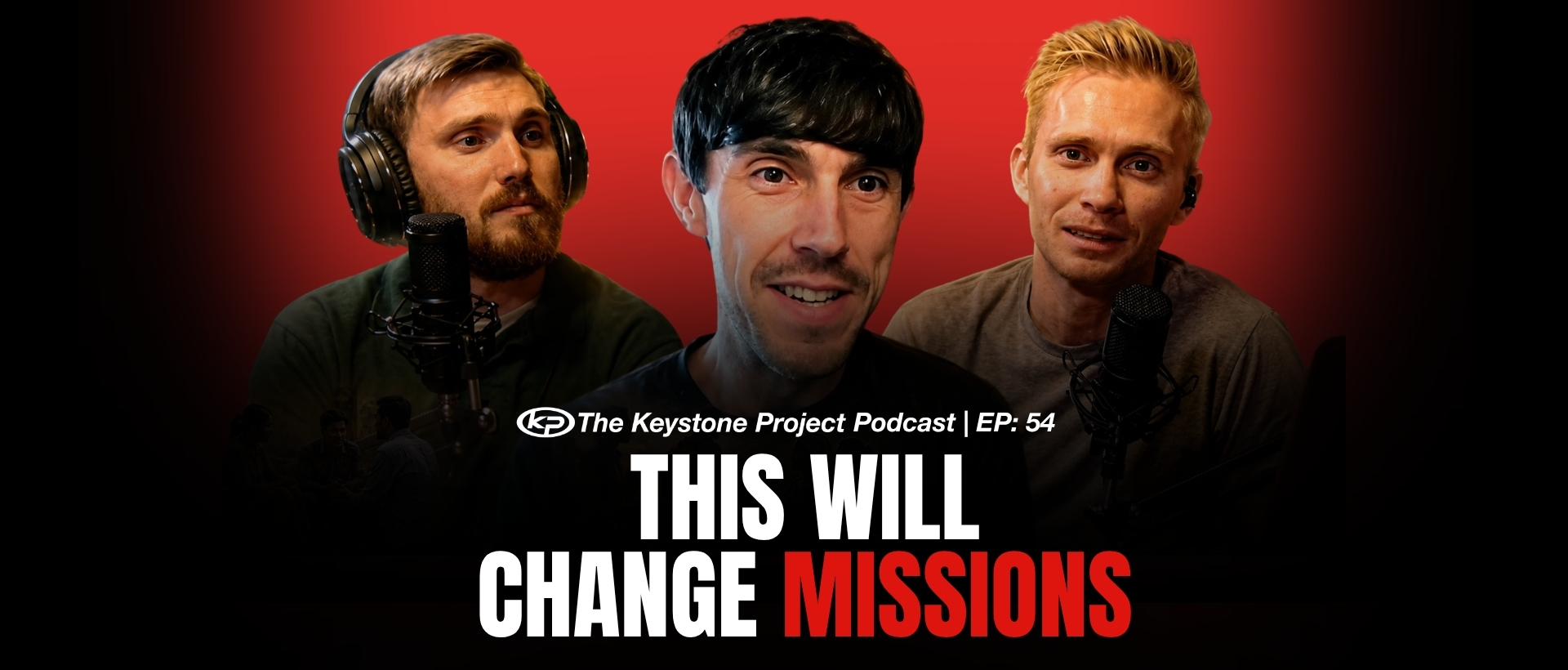
In a recent conversation with Nigerian gospel artist and worship leader Chubie Ujah, we explored firsthand accounts of escalating attacks, shifting regional dynamics, and the lived experience of believers navigating fear, loss, and resilience.
This is not a distant issue. It is a present and rapidly evolving humanitarian crisis affecting millions.
A Nation Under Pressure
Nigeria has long been known for its cultural and religious diversity, with Islam and Christianity both deeply rooted across different regions.
However, over the past 15–20 years, tensions have intensified significantly in certain areas. According to Chubby UA’s account, regions that once experienced relative coexistence are now facing increasing instability, with violence spreading beyond historically affected zones.
Entire villages have reportedly been targeted in coordinated attacks, leaving devastation in their wake and forcing many to flee their homes.
While official reports often categorize these incidents under broader labels such as “communal clashes,” local testimonies suggest a more complex and deeply painful reality on the ground.
Regional Complexity and Escalating Insecurity
Nigeria’s security landscape is not uniform. It varies significantly by region:
- Northern regions have faced longstanding extremist activity
- Middle Belt regions are increasingly experiencing spillover violence
- Southern regions, once considered more stable, are now reporting growing insecurity
What was once a geographically contained conflict is now becoming more widespread, affecting communities that previously felt insulated from such violence.
The Role of Governance and Security Challenges
One of the most difficult aspects discussed in the episode is the challenge of effective governance and security response.
Issues raised include:
- Limited prosecution of extremist actors in some cases
- Allegations of corruption and political complexity
- Strained military capacity and concerns about infiltration
- The difficulty of distinguishing criminal, ethnic, and religious motivations in conflicts
These overlapping challenges have created an environment where accountability and long-term resolution remain extremely difficult.
The Human Cost
Behind every statistic are real people—families displaced, churches destroyed, and communities grieving unimaginable loss.
Chubie Ujah speaks not only as an observer but as someone connected to the lived reality of Nigerian Christians who continue to worship, build community, and hold onto hope despite fear and uncertainty.
The Church in Nigeria, however, is not passive. Across denominations, there is growing unity, coordinated relief efforts, and a renewed commitment to support affected communities.
A Global Conversation
One of the central themes of this episode is that Nigeria’s crisis is not isolated from the rest of the world.
The conversation raises broader questions:
- How should the global Church respond to persecution?
- What role should international awareness and advocacy play?
- How do we pray and act in the face of suffering we cannot easily solve?
While perspectives differ on solutions and interpretation, the urgency of the situation is widely acknowledged.
Hope in the Midst of Crisis
Despite the severity of the situation, there is also resilience.
The Nigerian Church is:
- Supporting displaced families
- Rebuilding destroyed churches
- Strengthening unity across denominations
- Raising awareness both locally and globally
And above all, continuing to worship and remain faithful in the midst of hardship.
Final Reflection
This episode is not about easy answers—it is about awareness.
It is about listening to voices from within the crisis.
It is about understanding complexity without oversimplification.
And it is about recognizing the human reality behind global headlines.
For believers and global audiences alike, the invitation is simple:
Do not look away. Learn. Pray. Engage.