Why Do People Believe Lies?
Why do people believe lies even when they know the truth?
It's one of the most important psychological and cultural questions of our time. From misinformation on social media to political polarization, conspiracy theories, and even theological disagreements, people often continue believing false ideas despite evidence that contradicts them.
Psychologists call this phenomenon cognitive dissonance—the mental discomfort that occurs when our beliefs conflict with reality.
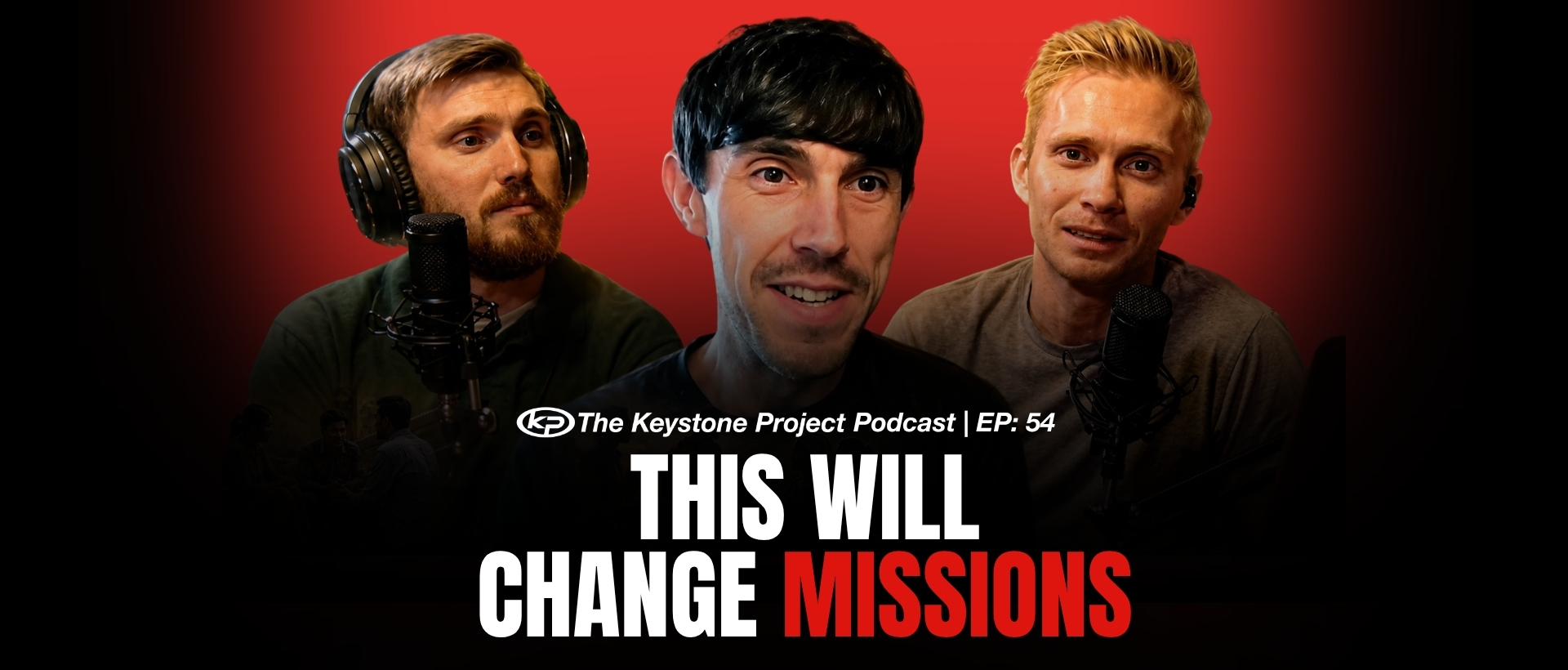
In a recent episode of The Keystone Project Podcast, Charlie, James, and Richard Greene explored the psychology of cognitive dissonance, confirmation bias, misinformation, and the Christian pursuit of truth in an age of information overload.
What Is Cognitive Dissonance?
Cognitive dissonance is a psychological term that describes the tension we experience when new information challenges deeply held beliefs.
When faced with evidence that contradicts our worldview, we generally have two choices:
- Change our beliefs to match reality.
- Reject or reinterpret the evidence to preserve our existing beliefs.
Unfortunately, many people choose the second option.
This helps explain why facts alone often fail to change minds. Our beliefs are rarely based on information alone. They are often connected to our identity, relationships, values, and sense of belonging.
Why Facts Don't Always Change Minds
Many assume that if people simply had access to more information, they would naturally arrive at the truth.
Reality is far more complicated.
Research in psychology shows that people frequently filter information through confirmation bias—the tendency to seek out information that supports existing beliefs while ignoring evidence that challenges them.
This is one reason misinformation spreads so easily.
When a false narrative aligns with a person's worldview, it can feel emotionally satisfying even if it is objectively inaccurate.
Confirmation Bias and Misinformation
The rise of social media has amplified confirmation bias in unprecedented ways.
Algorithms often serve users content that reinforces existing beliefs, creating what many call "echo chambers."
Inside these digital environments, individuals are exposed primarily to viewpoints they already agree with.
As a result:
- Misinformation spreads more quickly.
- Opposing viewpoints are dismissed.
- False beliefs become reinforced.
- Tribal thinking increases.
Understanding how confirmation bias works is essential for anyone seeking truth in today's information environment.
Why People Reject Evidence
One of the most fascinating aspects of cognitive dissonance is that intelligent people are not immune to it.
In fact, highly educated individuals can sometimes become exceptionally skilled at defending incorrect beliefs because they possess greater ability to rationalize and justify their positions.
The issue is rarely intelligence.
More often, it is humility.
The willingness to admit, "I may be wrong," is one of the most powerful safeguards against deception.
Is Faith Cognitive Dissonance?
A question raised during the podcast was whether religious faith itself could be considered a form of cognitive dissonance.
Some critics argue that faith means believing without evidence.
Biblical faith, however, differs significantly from denial of reality.
Cognitive dissonance requires rejecting evidence to maintain a preferred belief.
Biblical faith involves trusting God while remaining committed to truth, evidence, and spiritual discernment.
Christian faith encourages honest investigation, humility, and a willingness to follow truth wherever it leads.
The Christian Pursuit of Truth
Jesus made a remarkable statement in John 8:32:
"You shall know the truth, and the truth shall make you free."
Truth is not merely an intellectual concept. It is foundational to spiritual freedom.
As Christians, we are called to:
- Love truth more than being right.
- Remain teachable and humble.
- Evaluate evidence honestly.
- Avoid tribalism and ideological blindness.
- Seek wisdom through Scripture and the Holy Spirit.
These principles help protect believers from both deception and pride.
How to Combat Cognitive Dissonance
While no one is immune from cognitive dissonance, there are practical ways to reduce its influence:
1. Practice Intellectual Humility
Recognize that your current understanding may be incomplete.
2. Seek Opposing Perspectives
Listen to thoughtful voices you disagree with.
3. Verify Information Carefully
Avoid accepting claims simply because they align with your beliefs.
4. Separate Identity from Ideas
Changing your mind does not mean losing your value or worth.
5. Pursue Truth Above Comfort
Truth is not always comfortable, but it is always worth pursuing.
Final Thoughts
The question is not whether cognitive dissonance affects us.
It affects everyone.
The real question is whether we are willing to confront our assumptions, examine our beliefs honestly, and remain open to truth.
In a culture filled with misinformation, competing narratives, and information overload, the pursuit of truth requires both courage and humility.
As followers of Christ, we must be committed to seeking truth wherever it is found, trusting that genuine truth will always point us toward the One who declared, "I am the way, the truth, and the life."
Listen to the full episode of The Keystone Project Podcast to explore this conversation in greater depth and learn why people believe lies, why facts often fail to change minds, and how we can pursue truth with wisdom, humility, and discernment.